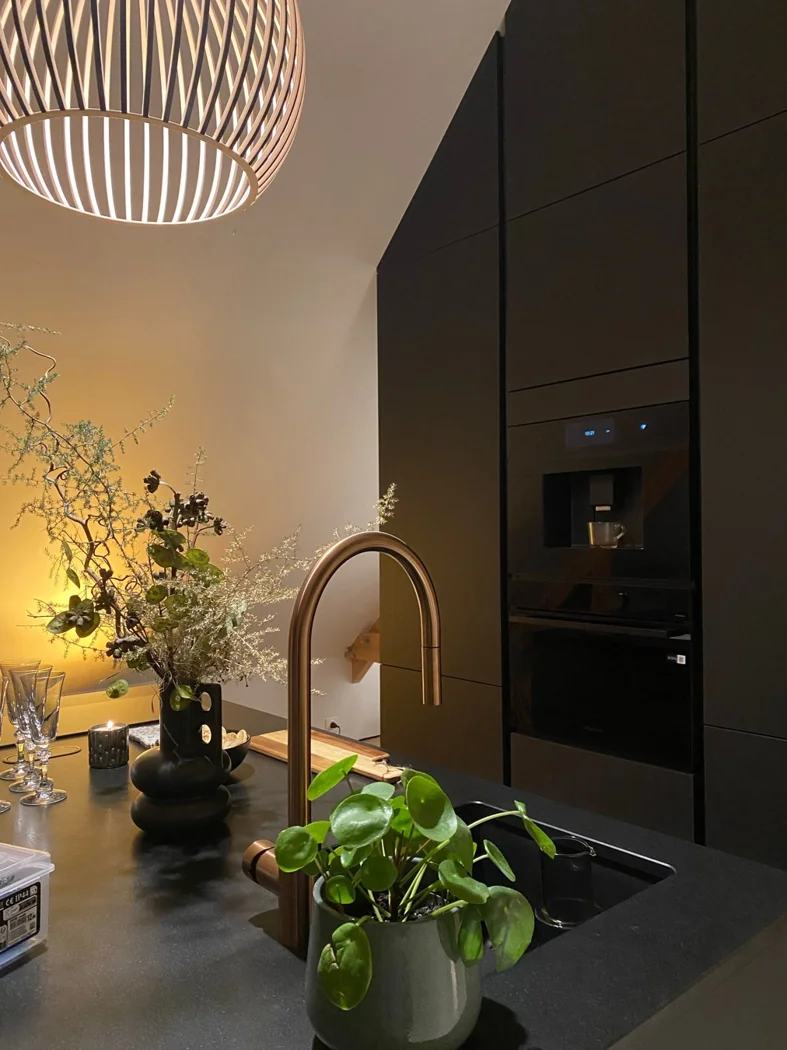
Good kitchen design begins with how you live. Do you cook every day, entertain around an island or need a compact kitchen that keeps the living area open? Your answers turn attractive inspiration into a practical brief. At Phuket Kitchens, start by comparing custom and modular arrangements against your room and daily routine.
Choose a layout for your room
A straight kitchen concentrates functions along one wall. An L-shaped layout uses adjoining sides; a U-shaped plan surrounds a central working area. An island adds a separate surface, while a peninsula extends the main cabinet run into the room. Compare each option with the doors, windows and routes through your home. A photograph suggests proportions, but measurements establish what will fit.
Plan cooking, storage and movement
Map where groceries arrive, food is prepared, meals are served and dishes are cleared. Keep frequently used utensils close to the task they support. Check circulation with refrigerator doors, drawers and the dishwasher open. In an open living space, plan what remains visible from the sofa, including small appliances, bins and everyday countertop items.
Bring appliance and room information early
Send a floor plan showing existing water, waste and electrical positions, together with room photographs. Include model numbers for appliances you intend to keep or buy. Extraction, electrical work and plumbing must be coordinated with the final layout and the relevant installers; ventilation and moisture exposure also belong in the material discussion.
Set priorities and share your ideas
Separate essential functions from optional finishes or storage upgrades. A clear base specification makes quotations easier to compare. Share your Phuket location, intended budget, timing and reference images, explaining which details you like. These give the design conversation a practical starting point.
Design the morning before choosing the doors
Picture the room at the busiest part of your day. Where does the coffee machine live? Can someone open the fridge while another person prepares breakfast? Where will groceries land when you come home? Small decisions like these give the design its shape. Bring your ideas for the atmosphere, then connect each one to a useful action in the room.